Medical information by Dr George Hayek, Ophthalmologist in Luxembourg Ortho-K contact lenses, also known as orthokeratology lenses or night lenses, are specially designed rigid contact lenses that are worn during sleep. They temporarily reshape the surface of the cornea, allowing many people with myopia (short-sightedness) to see clearly during the day without wearing glasses or contact lenses.Orthokeratology is also increasingly used as part of myopia management in children and adolescents, as studies have shown that it can help slow the progression of axial eye growth in appropriately selected patients.
Orthokeratology, commonly called Ortho-K, uses specially designed rigid gas-permeable contact lenses that are worn overnight.Unlike conventional contact lenses, which correct vision while they are on the eye, Ortho-K lenses temporarily modify the shape of the cornea during sleep.The cornea is the transparent front surface of the eye and plays an important role in focusing light onto the retina. The specific design of an Ortho-K lens produces a controlled redistribution of the corneal epithelium, changing the optical properties of the cornea.After removing the lenses in the morning, the corrected corneal shape can provide clear vision throughout much or all of the day.
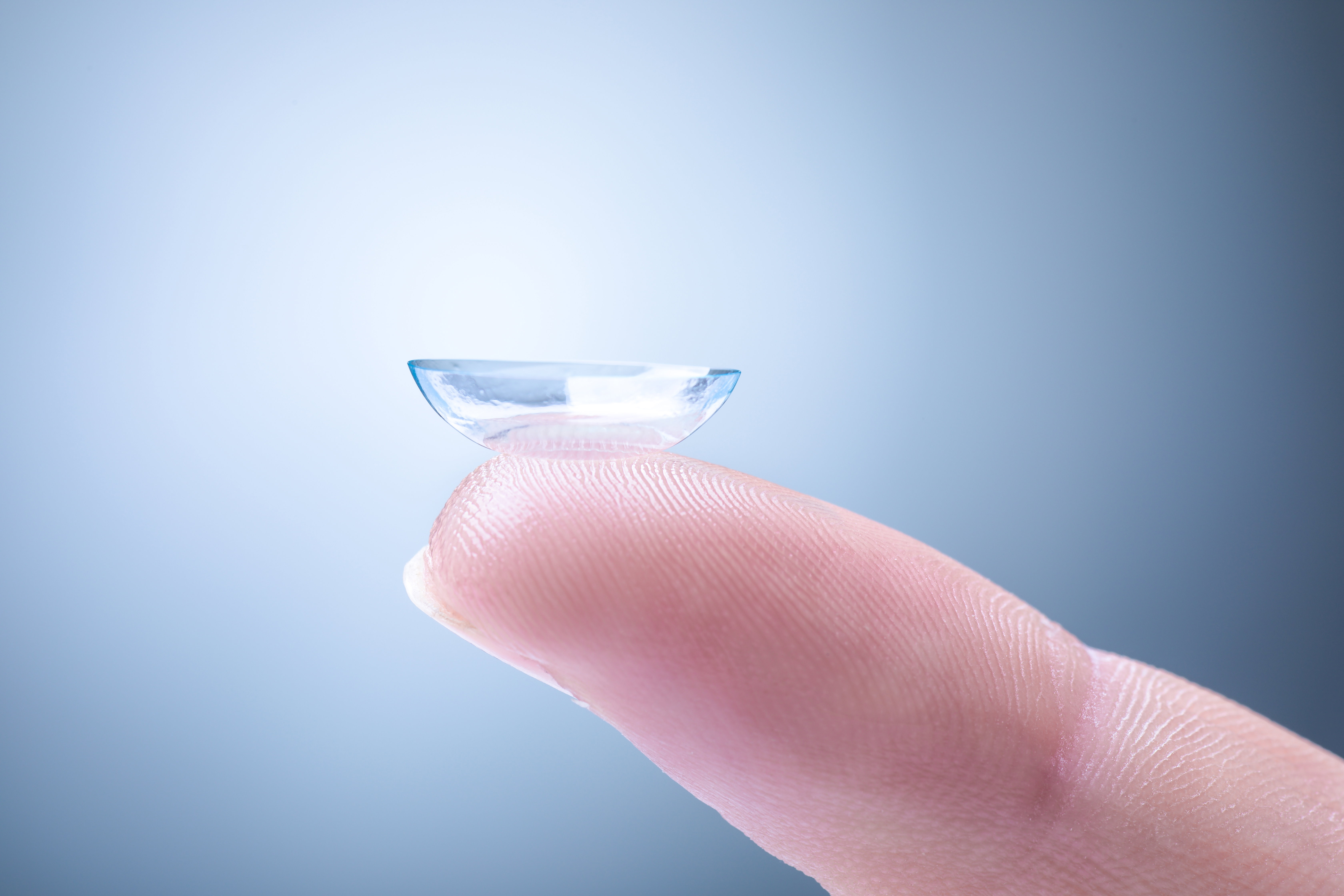
Ortho-K lenses are usually inserted before going to sleep and worn overnight, generally for approximately 6–8 hours.They are removed in the morning.An improvement in vision may be noticeable after the first few nights. The time required to achieve stable correction varies according to the degree of myopia, corneal characteristics and individual response to treatment.Once the desired correction has been obtained, the lenses generally need to be worn regularly at night to maintain the effect.
No. Orthokeratology is temporary and reversible.If the lenses are discontinued, the cornea gradually returns towards its original shape and the initial refractive error progressively returns.This distinguishes Ortho-K from refractive surgical procedures that permanently modify corneal tissue.
One of the most important applications of orthokeratology is myopia control in children and adolescents.Myopia frequently begins during childhood and can increase as the child grows. This progression is generally associated with elongation of the eye, known as axial elongation.Higher degrees of myopia are associated with an increased lifetime risk of several ocular conditions, including retinal detachment, myopic macular degeneration and glaucoma.Ortho-K provides optical correction during the day while also producing a specific peripheral retinal defocus. Clinical studies have demonstrated that orthokeratology can reduce axial elongation and slow myopia progression in many children.For this reason, Ortho-K may be considered as one of several available approaches to myopia management.A complete ophthalmological assessment is necessary to determine which strategy is appropriate for each child.
Ortho-K is primarily used to correct myopia (short-sightedness). Certain lens designs can also correct some degrees of astigmatism.Suitability depends on several factors, including:
For children, the ophthalmological assessment may also include evaluation of the evolution of their myopia over time and, when appropriate, measurement of axial length.
Ortho-K lenses require individual fitting.Before starting orthokeratology, an ophthalmological examination is performed to assess the health of the eyes and determine whether contact-lens wear is appropriate.A particularly important examination is corneal topography.Corneal topography creates a detailed map of the shape and curvature of the cornea. These measurements help determine the appropriate geometry of the Ortho-K lens.After the lenses have been fitted, follow-up examinations allow the practitioner to evaluate:
Regular follow-up is particularly important in children undergoing treatment for progressive myopia.
For suitable patients, Ortho-K can reduce or eliminate the need for glasses or conventional contact lenses during the day.
Not having to wear glasses or contact lenses during daytime activities may be convenient for certain sports and active lifestyles.
The effect of orthokeratology is temporary and does not involve surgical removal of corneal tissue.
In selected children and adolescents, Ortho-K may help slow the progression of myopia and axial elongation.
Ortho-K lenses can be used safely when they are appropriately fitted, correctly maintained, and regularly monitored. However, as with all contact lenses, complications can occur. Because Ortho-K lenses are worn during sleep, careful lens hygiene is particularly important. Incorrect handling or inadequate hygiene can increase the risk of corneal infection, including microbial keratitis.Patients should therefore follow the cleaning, disinfection and replacement instructions provided by their eye-care professional.The lenses should be removed and an ophthalmologist contacted promptly in the event of:
Orthokeratology should not be considered simply as the purchase of a pair of contact lenses.It is a process that involves eye examination, corneal measurements, individual lens fitting and regular follow-up.In children receiving Ortho-K for myopia management, follow-up can also be used to monitor whether myopia continues to progress.Where appropriate, axial length measurements can provide additional information about the growth of the eye.
Children and adults considering Ortho-K lenses in Luxembourg should undergo an ophthalmological examination before beginning treatment.For children with progressive myopia, the examination should consider not only the current spectacle prescription but also the child's age, previous progression of myopia, ocular health, corneal characteristics and other individual factors.Different approaches to myopia management are available. The choice of treatment should therefore be discussed individually with the ophthalmologist according to the child's clinical situation.
Yes. Orthokeratology can be used in appropriately selected children. It is particularly relevant when progressive myopia is being considered. The child's ability to follow appropriate lens hygiene, with parental supervision where necessary, is an important part of the assessment.
No treatment can guarantee that myopia will stop progressing. Ortho-K has been shown to reduce the rate of myopia progression and axial elongation in many children, but individual responses vary.
Many successfully treated patients achieve sufficient daytime vision without glasses. However, the degree of correction varies between individuals, and some patients may occasionally require additional optical correction.
The effect is temporary. Regular overnight wear is generally necessary to maintain the desired correction.
No. Ortho-K does not surgically remove or permanently modify corneal tissue. Its effect is temporary and generally reversible after the lenses are discontinued.
No. Ortho-K is one possible strategy for myopia management. The appropriate approach depends on the child's age, prescription, rate of myopia progression, ocular characteristics and other clinical factors.
An ophthalmological examination can determine whether orthokeratology is appropriate for an adult or child with myopia.The assessment may include measurement of visual acuity and refraction, examination of the anterior and posterior segments of the eye, corneal topography and, particularly in children with progressive myopia, evaluation of myopia progression and axial length when indicated.
Dr George Hayek
Ophthalmologist – LuxembourgThis article provides general medical information and does not replace an individual ophthalmological examination or medical advice.
Sources :
-IMI-Interventions for Controlling Myopia Onset and Progression 2025
-Orthokeratology in controlling myopia of children: a meta-analysis of randomized controlled trials