A solar eclipse is a fascinating event, but looking at the Sun without appropriate eye protection can cause serious and potentially permanent damage to the retina. Even when the Sun is partially covered by the Moon, the remaining sunlight is still intense enough to injure the eye.Understanding the risks and knowing how to observe an eclipse safely are essential for protecting your vision.
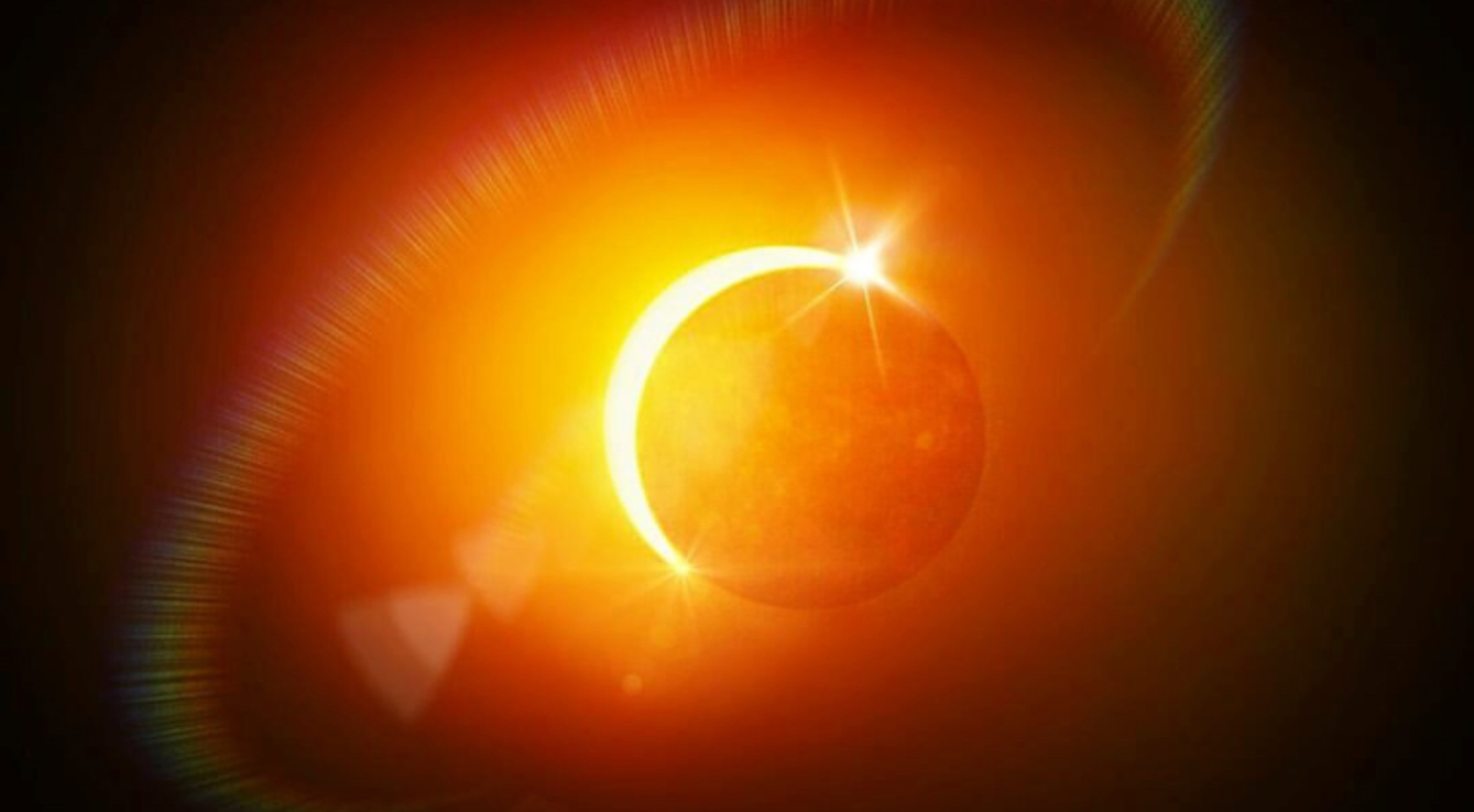
The eye naturally focuses incoming light onto the retina, the light-sensitive tissue located at the back of the eye. Looking directly at the Sun exposes the retina to extremely intense solar radiation.During an eclipse, the reduced brightness may make looking toward the Sun feel more comfortable than usual. However, this does not mean that it is safe.Prolonged or unprotected exposure can cause solar retinopathy, also known as photic retinopathy: damage to the retinal photoreceptors and retinal pigment epithelium caused by intense solar radiation.Importantly, retinal tissue does not have pain receptors. This means that damage can occur without pain or an immediate warning sensation.
Symptoms may appear within hours after exposure and can affect one or both eyes.Possible symptoms include:
The severity varies depending on the intensity and duration of exposure.While some patients experience improvement over the following weeks or months, retinal damage can sometimes result in persistent visual abnormalities. There is currently no specific treatment capable of immediately reversing solar retinal damage, making prevention particularly important.
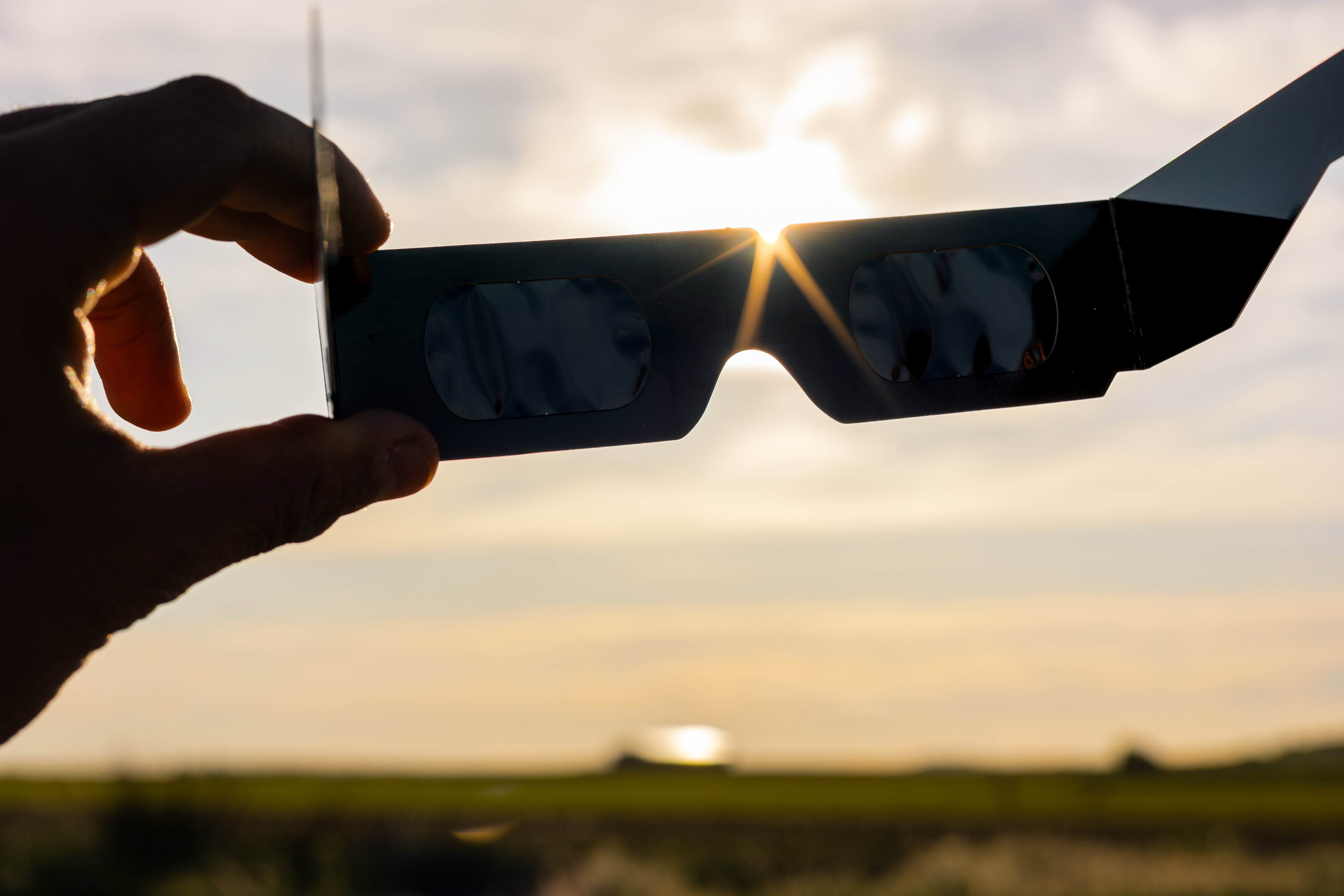
One of the most important messages during a solar eclipse is simple:Never look directly at the Sun with ordinary sunglasses.Regular sunglasses, even very dark ones, do not provide sufficient protection for direct solar viewing.To observe the eclipse directly, use certified solar eclipse glasses or handheld solar viewers that comply with the ISO 12312-2 international safety standard and follow the manufacturer's instructions.Before using eclipse glasses, inspect them carefully. Do not use them if they are scratched, punctured, torn or otherwise damaged.
Children should be closely supervised during a solar eclipse.Because children may not fully understand the potential consequences of looking directly at the Sun, parents, teachers and caregivers should explain the safety rules beforehand and ensure that appropriate solar viewers are used correctly.Very young children who cannot reliably follow these instructions may be better suited to indirect viewing methods rather than direct observation.
Extra caution is required when using optical equipment.Never look at the Sun through binoculars, a telescope or a camera lens while wearing eclipse glasses. Concentrated solar rays can damage the protective filter and cause severe eye injury.Telescopes, binoculars and cameras require specialised solar filters mounted correctly at the front of the optical system.A smartphone should also not be used as a substitute for proper eye protection when looking toward the Sun.
The safest approach is to follow a few simple rules:
A brief accidental glance does not necessarily mean that permanent retinal damage has occurred. However, you should pay attention to your vision during the hours following exposure.If you notice blurred central vision, a new central spot, distorted vision, changes in colour perception or any persistent visual disturbance, an ophthalmological examination is recommended.If symptoms are significant or vision suddenly deteriorates, seek ophthalmological assessment promptly.
A solar eclipse can be a memorable experience and can be enjoyed safely with the right precautions.The key message is straightforward: never look directly at the Sun without certified solar viewing protection.Your retina is highly sensitive to intense solar radiation, and damage may occur without pain. A few simple preventive measures can therefore make the difference between safely enjoying an extraordinary astronomical event and potentially experiencing lasting visual consequences.Protect your eyes. Observe safely. And make the eclipse an experience worth remembering for the right reasons.
Looked at the eclipse without protection?
Stop looking at the Sun and monitor your vision. If you notice blurred vision, a central dark spot, distorted lines or changes in colour perception, contact an ophthalmologist promptly. Retinal damage from sunlight can occur without pain, and symptoms may appear several hours after exposure.
Consult an ophthalmologist if you experience any visual symptom.